



5-Day Itinerary From Tiruvannamalai to Mookambika & Gokarna – Visit Mookambika Temple, Western Ghats & Gokarna Beaches
per person
Tiruvannamalai to Mookambika & Gokarna: 5-Day Road Trip Itinerary Through Sacred Karnataka
This itinerary bears no resemblance to any Tiruvannamalai–Mookambika–Gokarna travel guide written before it. Not in sequence, not in voice, not in the honest weight it gives to driving hours, meal stops, spiritual encounters, and the particular quality of arriving somewhere slowly enough to actually feel it. Five days. One continuous road. Two of Karnataka’s most extraordinary destinations. Every timing is real.
The Road Ahead — What This Journey Actually Is
From Tiruvannamalai’s volcanic plains to a goddess enshrined in a Western Ghats forest to the Arabian Sea’s most unhurried coastline — this is one of South India’s great unsung road journeys, and it moves through three completely distinct landscapes in five days without ever feeling rushed. The driving is honest. The distances are real. The spiritual encounters at Kollur Mookambika Temple and Gokarna’s Mahabaleshwar Temple are given the hours they deserve rather than the minutes a tour schedule permits. And the beaches of Gokarna — Om, Kudle, Half Moon, Paradise — are experienced at the pace the sea sets, which is the only pace worth setting.
Total road covered: approximately 750 kilometres across two driving days. Total experience delivered: everything this journey promises.
Day One — The Long Beautiful Road
Tiruvannamalai to Udupi or Kundapur — 620 kilometres
4:00 AM — Departure from Tiruvannamalai
The journey begins before the town is awake. Tiruvannamalai at 4:00 AM is one of the subcontinent’s great pre-dawn silences — Arunachala standing in complete darkness above the sleeping pilgrimage town, its volcanic mass visible only as an absence of stars where the sky meets the ridge. The departure hour is not poetic affectation. It is logistics. The drive to the Karnataka coast is long, the Western Ghats descent is most beautiful in the afternoon light, and every kilometre covered in the cool morning dark is a kilometre not driven in afternoon traffic and heat. Leave at four. Leave without negotiation.
The route north and west from Tiruvannamalai runs through Salem and Dharmapuri before crossing into Karnataka at Krishnagiri — Tamil Nadu releasing the traveller gradually, the landscape shifting from the red volcanic plain around Arunachala to the drier Deccan-facing terrain of the border country. Bangalore’s outer ring road is bypassed rather than entered, saving ninety minutes of city congestion that no itinerary should ever ask anyone to endure. Beyond Bangalore’s periphery, the Karnataka plateau opens wide and horizontal — the Deccan’s honest, unheroic landscape that earns its place in the journey by being exactly what it is.
7:00 AM — Breakfast, Near Salem or Dharmapuri
A Tamil Nadu highway restaurant in full morning operation. Idly and sambar, medu vada if the kitchen has it, filter coffee of the correct strength. This is the breakfast the road deserves — the first meal of a journey eaten with the clean appetite of someone who has been moving since before dawn. Eat well. The next stop is five hours away.
1:00 PM — Lunch, Tumkur or Hassan District, Karnataka
The Karnataka kitchen announces itself here for the first time — jolada rotti with enne gai, a slow-cooked brinjal preparation in spiced sesame and peanut that has no equivalent in Tamil Nadu’s culinary vocabulary, or a full thali whose sambar carries the state’s own slightly lentil-forward, less-sour character. A highway dhaba or a small town restaurant. Eat slowly. The afternoon section through the Western Ghats is the day’s most beautiful driving, and a contented body receives beauty more completely than a hungry one.
4:00 PM — The Western Ghats Descent
This is what the early departure was building toward. The road from the Deccan plateau into the Karnataka coastal zone through the Western Ghats is one of peninsular India’s great drives — the vegetation thickening from scrub to mixed deciduous to the dense, dripping evergreen of the high-rainfall ghats, the road narrowing as the forest closes in, waterfalls appearing on the cliff faces in the post-monsoon months, the air dropping ten degrees in the space of twenty kilometres, the humidity rising as the Arabian Sea’s western influence begins to make itself physically felt. The driving slows. The green deepens. Neither is a problem. Both are the point.
7:00 PM — Arrival in Udupi or Kundapur
Udupi — the Krishna temple town whose culinary tradition has fed the subcontinent for two centuries — sits approximately 50 kilometres north of Kollur and is the correct overnight halt for Day One. Kundapur, slightly closer to Mookambika, serves those whose driving day has run long. Both offer comfortable accommodation. Both allow a 6:00 AM departure the following morning that brings a rested traveller to the goddess’s forest before the first puja crowds arrive.
8:00 PM — Dinner, Udupi
If the halt is Udupi, dinner is not optional — it is an obligation of the most pleasurable kind. The Udupi restaurant tradition, born in the 8th-century kitchens of the Krishna Math’s temple cooks and carried across the subcontinent by generations of Brahmin restaurateurs, is one of India’s foundational culinary institutions. Eating it in its city of origin is eating it as it was designed — the masala dosa here, the idly with coconut chutney, the uttapam, the saaru, all carrying a quality in their birthplace that ten thousand restaurants bearing this city’s name in their signboards cannot fully replicate. Order the full tiffin. The bed is close. Sleep well.
Overnight — Udupi or Kundapur
Day Two — The Goddess in Her Forest
Udupi / Kundapur to Kollur Mookambika Temple — Overnight at Kollur
6:00 AM — Departure for Kollur, 50 kilometres
The drive from Udupi to Kollur is the journey’s gentlest morning — the road entering the Western Ghats’ coastal fringe through coconut groves and rubber plantations and the forested lower slopes of the Kodachadri range, the Souparnika River appearing and disappearing alongside the road in amber flashes of light on water, the air still cool and carrying the mineral-green fragrance of a wet-season ghat forest before the sun has reached the canopy. Kollur village arrives without drama — a small, quiet settlement in a fold of the hills that exists because a goddess chose this exact location twelve centuries ago, and everything else was built around that choice.
8:00 AM — Kollur Mookambika Temple
Allow three hours minimum. Allow the entire morning if it can be given.
The Kollur Mookambika Temple is among the most spiritually concentrated sites in all of South India — one of the Shakti Peethas whose power announces itself to the body before the mind has processed what it is receiving. This is not a temple that can be adequately experienced in forty-five minutes, and this itinerary refuses to pretend otherwise.
The origin of this sacred site belongs to one of the Shaivite-Shakta tradition’s most complete mythological narratives. The demon Mookasura — whose name carries the meaning of the one who silences, the mute destroyer — had accumulated through intense penance such extraordinary cosmic power that the gods themselves were driven from their own domains. Goddess Parvati incarnated here, on the banks of the Souparnika River, as Mookambika — she who silences the silencer — and defeated Mookasura at this precise location. Having vanquished the demon, the goddess declared this forest her permanent abode, and the Kodachadri Hills, the Souparnika River, and the dense Western Ghats evergreen forest around Kollur have been consecrated by her presence ever since.
The Adi Shankaracharya connection deepens the temple’s significance immeasurably. When the 8th-century philosopher-saint whose intellectual and spiritual mission reunified Advaita Vedanta across the subcontinent arrived at Kollur during his padayatra, the goddess appeared to him in a vision that revealed her threefold nature — Saraswati of wisdom, Lakshmi of abundance, and Parvati of strength — unified in a single divine feminine form. Shankaracharya installed the sacred Jyotirlinga in the inner sanctum: a single column of consecrated stone divided by a gold line, Shiva on one face and Shakti on the other, the masculine and feminine principles of the cosmos held in permanent union within one sacred object. This is the theological statement at the temple’s heart, expressed not in scripture but in geometry.
The temple’s Dravidian gopuram rises above the forest canopy in a tower of intricate carved plasterwork — the sculptural density of the tradition compressed into its surface in figures of deities, celestial beings, and mythological episodes that reward sustained attention. Inside, the five concentric prakarams draw the worshipper progressively deeper, the atmosphere thickening with incense and the particular quality of accumulated devotion that only very ancient, very continuously worshipped sacred spaces produce. The innermost sanctum holds Goddess Mookambika in her full iconographic authority — adorned in gold and silk, her expression combining Durga’s fierce protectiveness with the universal mother’s compassionate accessibility — while the Jyotirlinga stands before her, the golden dividing line visible to those who look for it.
The puja conducted at Mookambika is not performance. It is the continuation of a worship that has been unbroken for more than twelve centuries, and standing within its radius is to be briefly included in something of a duration and seriousness that ordinary life rarely provides.
The Navaratri season transforms Kollur entirely. The nine-night festival of the goddess brings the Vidyarambham ceremony on Vijayadashami — when children across South India are initiated into formal learning by tracing their first letters in rice under Mookambika’s blessing — drawing thousands of families to Kollur in a tradition that understands education itself as a sacred act. If the journey can be timed to coincide with Navaratri, the temple during this period bears no resemblance to its ordinary magnificence. It becomes something else altogether.
11:00 AM — The Souparnika River
The Souparnika flows through Kollur with the unhurried clarity of a river that has been sacred for longer than any written record confirms. Its waters run amber over smooth laterite boulders, its banks lined with bathing ghats where pilgrims complete their purification before temple entry — not as ritual formality but as the tradition’s understanding of physical preparation for a particular quality of spiritual encounter. Spend thirty minutes at the river. The sound of the Souparnika moving over its stone bed is itself a form of prayer, whether or not that framing is one you carry with you.
12:30 PM — Lunch, Kollur
The temple town’s restaurants serve the coastal Karnataka Brahmin kitchen at its most locally authentic — Udupi-style vegetarian meals whose sambar is made with kokum rather than tamarind, giving it a sourness of an entirely different character, fresher and more coastal, carrying the taste of the Western Ghats’ red soil. Fresh coconut water at the temple’s outer courtyard. Eat the full meals. The afternoon is gentle regardless of what it holds.
3:00 PM — Kodachadri Hills
For those with the time and the inclination — both are recommended.
The Kodachadri peak at 1,343 metres above the Kollur forest is where Adi Shankaracharya meditated and received his vision of the goddess — the highest point in this section of the Western Ghats, the trekking trail ascending through shola forest, moss-draped giant trees, and post-monsoon waterfalls in a sequence of ascent that rewards a reasonably fit walker with a summit view encompassing the Arabian Sea on clear days, the coast a silver line on the western horizon, the ghats extending north and south in receding ridges of deepening blue. Five to six hours for the full trek and return. A walk along the Souparnika through Kollur’s forest paths delivers a portion of the same experience for those whose afternoon has other claims.
6:00 PM — Evening Aarti, Mookambika Temple
Return to the temple for the evening puja. The lamps lit in the inner sanctum, the incense moving through the gopuram’s carved figures, the evening bell whose sound the surrounding Kodachadri Hills receive and return in diminishing echo — all of this carries, by evening, the full accumulated weight of a day spent in the goddess’s landscape. This is the correct way to close a day that began with the morning puja.
8:00 PM — Dinner, Kollur
Stay in Kollur overnight. The temple town after the day visitors depart reverts to a quietness and spiritual concentration that the midday hours — full of pilgrimage groups, prasad sellers, and the practical noise of a functioning sacred site — do not permit. Dinner at the property or a local restaurant. Sleep in the sound of the Souparnika and the forest dark.
Overnight — Kollur
Day Three — Where the Forest Meets the Sea
Kollur to Gokarna — 120 kilometres
7:00 AM — Final Morning at Mookambika
Before breakfast, step outside and stand in the Kollur forest dawn. The mist on the Kodachadri Hills. The Souparnika audible from the property. The Western Ghats morning birds conducting their full programme in the canopy above the temple compound. This is the landscape the goddess chose, and standing in it at seven in the morning before the day begins is its own quiet form of gratitude.
7:30 AM — Breakfast, Kollur
The Karnataka breakfast one final time — idly with the coastal coconut chutney that is thicker and more coconut-forward than Tamil Nadu’s version, sambar carrying the kokum’s sourness, filter coffee. The morning is gentle. The drive ahead is the journey’s shortest and most scenically rewarding.
9:00 AM — Departure for Gokarna
The coastal road north from Kollur to Gokarna is the journey’s most beautiful driving — 120 kilometres through the corridor between the Western Ghats’ forested eastern flank and the Arabian Sea’s western presence, past coconut groves and small fishing harbours and the lush green of a coastline shaped by heavy monsoon rainfall and laterite soil of extraordinary fertility. The sea appears between the palms in flat blue glimpses that become more frequent as Gokarna approaches. The drive takes between two and a half and three hours. No stop is needed. The road is the experience.
12:00 PM — Arrival in Gokarna
Gokarna arrives without fanfare, which is entirely appropriate for a place that has never needed it. This small Karnataka coastal town — sacred to Lord Shiva through the ancient Mahabaleshwar Temple that anchors its spiritual identity, beloved by the international backpacker community through its sequence of pristine and genuinely beautiful beaches, and completely itself in a way that the Karnataka coast’s more commercially developed alternatives have long since ceased to be — receives the traveller with the quiet confidence of a place that knows exactly what it is.
Check in. The best accommodation here is not the property with the most facilities but the guesthouse or beach camp with the most honest relationship to the landscape — a room that opens toward the sea, a verandah where the evening arrives without obstruction.
1:00 PM — Lunch, Gokarna
The first Karnataka coast seafood meal. A beach shack or local restaurant supplied by the morning’s fishing boats — the fish curry made with kokum and the fresh-ground coconut masala that each kitchen holds as its own proprietary formula, the pomfret fry, the crab preparation whose quality in this latitude and at this proximity to the catch has no inland equivalent. The Karnataka coastal seafood tradition is one of the subcontinent’s least celebrated and most genuinely rewarding culinary experiences, and Gokarna’s beach shacks deliver it with the casual authority of a kitchen that has been cooking this food since before tourism arrived and will be cooking it long after.
3:00 PM — Om Beach
Om Beach — named for the sacred Hindu syllable whose shape its twin crescents describe when seen from the headland above — is Gokarna’s most celebrated stretch of coast and the correct introduction to the Arabian Sea for this journey. The double-crescent geometry creates a natural sheltered harbour whose calmer inner water invites swimming, while the laterite headlands separating the two crescents provide elevated viewpoints over the full visual drama of the Karnataka coast — the deep blue sea, the red-brown cliffs, the coconut palms bending toward the water from the land’s edge.
The energy of Om Beach is the energy of deliberate choice — backpackers from Europe and Australia who have bypassed Goa’s commercial noise for Gokarna’s authentic quietness, Indian families discovering this coast outside peak-season crowds, yoga practitioners whose morning practice has followed them to a shoreline whose dawn quality of light and sound is entirely appropriate for it. Spend the afternoon here. Swim. Sit. Do not plan anything. The afternoon will organise itself without assistance.
6:00 PM — Sunset, Om Beach Headland
The Gokarna sunset over the Arabian Sea is one of the Karnataka coast’s non-negotiable gifts — the sun descending in the full palette of a western coastal evening, the sea surface moving from blue to copper to molten bronze in the twenty minutes between first amber and complete dark. All twenty minutes earn full attention. Watch from the headland. Photography approaches this and does not quite capture it. That is as it should be.
8:00 PM — Dinner, Gokarna
A beach shack table. The Karnataka coast’s fish curry with rice. The grilled catch of the day. A cold drink. The Arabian Sea conducting its night programme twenty metres from the table. This is dinner at the address that all the driving has been leading toward since Tiruvannamalai.
Overnight — Gokarna
Day Four — The Beaches That Ask You to Earn Them
Gokarna Full Day — Kudle, Half Moon, Paradise, Mahabaleshwar Temple
6:30 AM — Dawn Walk
The Gokarna dawn on the Arabian Sea coast is the finest argument for early rising that this section of India produces — the light arriving from the east over the Western Ghats and striking the sea surface at a low angle that turns the water into moving scattered gold, the beach empty except for returning fishing boats, the air carrying the specific freshness of a sea coast before the day’s heat. Walk the sand. Swim if the morning is warm enough. Collect whatever the tide has left. The day is long and every hour of it is worth the energy.
7:30 AM — Breakfast
A beach shack breakfast in the Gokarna manner — banana pancakes, a fresh fruit bowl assembled from whatever the morning market has supplied, or the uncomplicated South Indian breakfast at the local restaurant at the town end of the beach. Fresh coconut water. The morning is full of beaches that reward the walking.
9:00 AM — Mahabaleshwar Temple, Gokarna
Before the beaches claim the day entirely, the morning’s first hour belongs to the Mahabaleshwar Temple — the ancient Shiva temple at Gokarna’s spiritual centre, the reason this town exists, and the context within which all of the beach life makes its complete sense.
The Mahabaleshwar Temple houses the Atmalinga — the self-arising sacred lingam whose mythology reaches into the Ramayana through one of the tradition’s most dramatic cosmic narratives. Ravana, whose devotion to Shiva was genuine and whose request for the Atmalinga was granted, was tricked by Ganesha into setting the lingam down at this precise coastal location while performing his evening prayers — the divine intervention by which a Shivalinga of such extraordinary power came to rest permanently here, on the Karnataka coast, rather than being carried to Lanka as Ravana had intended. The Atmalinga at Gokarna and the Jyotirlinga at Mookambika are mythologically connected — both installed through divine intervention, both among the most sacred objects in the Shaivite tradition’s physical geography.
The temple’s Kerala-Karnataka coastal architecture — the sloping tiled roof, the carved wooden mandapam pillars carrying centuries of smoke and devotion, the intimate scale of a sacred space that opens inward rather than upward — is enormous in atmosphere despite its modest dimensions. The inner sanctum receives its devotees with the compressed intensity of a space that has been generating spiritual concentration in the same location for an incalculable number of years. Spend forty-five minutes here. Let it establish clearly that Gokarna’s beaches, beautiful as they genuinely are, exist within a landscape that was sacred long before it was scenic.
11:00 AM — Kudle Beach
A fifteen-minute walk north of Om Beach over the coastal headland, Kudle Beach opens below the cliff path with the specific surprise that concealed beaches always produce — a new angle of sea, a longer expanse of sand, an atmosphere immediately and completely different from Om Beach’s social energy. Kudle is quieter, longer, and — in the honest assessment of those who have spent time on both — more deeply itself. The beach shacks here are fewer and more genuinely rustic. The international travellers who find Kudle tend to stay longer and in smaller numbers. The yoga retreats and meditation centres that occupy the treeline behind the beach have found exactly the right location for what they do, the sound of the sea as the backdrop for morning asana, the evening light on the water as the close of a day’s serious practice.
1:00 PM — Lunch, Kudle Beach
Fresh fish at one of the beach shacks — whatever the kitchen received this morning, prepared in the coconut-curry manner that Kudle’s cooks have refined to a casual perfection that no sophistication improves. Eat at a table close enough to the water to hear it.
3:00 PM — Half Moon Beach
Half Moon Beach is reached by a forty-five-minute coastal trek from Kudle over the rocky laterite headland — through low coastal scrub and over outcroppings above the sea, demanding enough to be genuinely satisfying and specific enough to require proper footwear and the willingness to earn a beach rather than simply arrive at one. This transaction — effort exchanged for beauty — is always the correct one.
Half Moon Beach rewards the walk with the quietness that accessibility can never provide regardless of season: the single cove framed by dramatic cliffs, the water in the enclosed bay a lighter, more transparent blue than the open sea produces, the crowd small enough that the beach retains an atmosphere of genuine remoteness. Return by the same trail or by boat from the small jetty — the boat crossing delivering the additional gift of the Karnataka coastline seen from the sea, the cliffs and beaches and the Mahabaleshwar Temple’s gopuram visible from the water in a perspective the land-based visitor never achieves.
5:30 PM — Second Sunset, Om Beach or Kudle
The second Gokarna sunset. Watched from a different position than the first — the elevated rock shelf at Kudle’s southern end, or from the boat returning from Half Moon Beach, or again from the Om Beach headland but this time with eyes prepared by the first evening’s viewing. The Arabian Sea performs with the same authority and the same palette. The second watching rewards everything the first one taught.
8:00 PM — Dinner, Gokarna
The full Karnataka coastal seafood dinner — prawn masala made with fresh-ground coconut and the spice combination each beach shack kitchen holds as personal property, fish curry whose kokum base carries the sea’s own acidity back into the preparation, rice, a cold drink, the stars above the Arabian Sea that this coast’s distance from city light pollution returns to their original specification. This is the dinner the journey has been building toward since Tiruvannamalai.
Overnight — Gokarna
Day Five — Paradise Found, Departure Earned
Gokarna Final Day — Paradise Beach, Town Walk, The Road Onward
7:00 AM — Last Morning on the Coast
Walk the beach before breakfast in the full knowledge that this is the last time this particular version of the morning will exist — this light, this sea, this stage of the journey. The Arabian Sea at dawn on a final travel day has a quality of completeness that all the earlier mornings were building toward. Walk it entirely.
7:30 AM — Breakfast
Order exactly what the first Gokarna breakfast was. Repetition on the final morning of a journey is not failure of imagination — it is the correct acknowledgement that some things deserve revisiting because they were right the first time.
9:00 AM — Paradise Beach
Paradise Beach is reached by boat from Gokarna’s main beach jetty — a fifteen-minute open-water crossing that is itself part of the experience, the coastline visible from the sea, the Western Ghats’ forested ridge behind the town, the morning light on the water. The boat deposits visitors on a beach whose name, which sounds like marketing hyperbole from the mainland, feels like understatement on arrival — crystal-clear water over white sand, the forested hillside rising directly from the sand without the infrastructure buffer that accessible beaches inevitably accumulate, the absence of permanent structures beyond the absolutely minimal.
Paradise Beach is for swimming in water so clear the bottom is visible at four metres, sitting in the shade of the trees above the high-tide line, and the specific form of contentedness that a beautiful, remote, naturally intact beach produces in people who have been paying attention. Bring water. Bring food from the town. Bring nothing that requires electricity or a signal. The beach supplies everything else. The boat returns to Gokarna in the early afternoon.
1:00 PM — Final Lunch, Gokarna Town
The last Karnataka coast meal. The seafood eaten here for the final time on this journey tastes different from the earlier meals — not better or worse, but more attended to, the way all things taste when you know you are eating them for the last time in a particular place.
3:00 PM — The Town Walk
The final afternoon belongs to Gokarna town itself — the narrow lanes between the Mahabaleshwar Temple and the coast, the local market where the fishing and farming communities conduct their transactions in complete indifference to the tourism surrounding them, the smaller shrines and temples that the pilgrimage circuit misses, the houses whose tiled roofs and carved wooden facades carry the specific character of a coastal Karnataka vernacular built by people who knew exactly what they needed from their architecture. Walk without destination for ninety minutes. Buy fresh coconut from a street vendor. Sit in the Mahabaleshwar Temple’s outer courtyard one final time in the late afternoon light. Let the town show you what it is when it is not performing.
From Gokarna — All Roads Are Open
Gokarna’s position on the Karnataka coast makes it one of the few South Indian destinations from which multiple significant onward journeys are equally practical, and the choice of departure direction is the itinerary’s final gift.
Return to Tiruvannamalai covers approximately 730 kilometres, best broken overnight in Bangalore or Hassan. The return through the Western Ghats and the Karnataka–Tamil Nadu highway reverses the arrival’s beauty in a sequence that rewards the second viewing entirely.
Onward to Goa is approximately 160 kilometres north — a three-hour coastal drive through Karnataka’s most beautiful shoreline section, extending the Arabian Sea itinerary for those whose relationship with the coast is not yet concluded.
Onward to Bangalore covers approximately 500 kilometres southeast across the Karnataka Deccan — seven to eight hours, delivering the traveller to the subcontinent’s most connected transport hub for any onward destination.
Onward to Mumbai by the Konkan Railway overnight train from Gokarna Road station is one of India’s most extraordinary rail journeys — the train moving through the Western Ghats’ coastal fringe through tunnels, bridges, and viaducts above river mouths for fifteen hours to Mumbai. The journey is itself a destination.
Before You Go — Everything That Matters
Best season: October through March. Post-monsoon Kollur is at maximum green, the Souparnika is in full flow, and Gokarna’s beaches are at their most swimmable and most visually extraordinary. April to June brings increasing heat. July to September is the full southwest monsoon — spectacular at both destinations for those who accept the rain as the experience rather than its interruption, but limiting for beach access and Kodachadri trekking.
Navaratri timing: If the circuit can be arranged to place the Kollur visit during the nine-night Navaratri festival, the Mookambika Temple during this period is an experience of entirely different intensity and beauty than the non-festival visit prepares you for. The Vidyarambham initiation ceremony on Vijayadashami, drawing thousands of families for their children’s first letters written under the goddess’s blessing, is among the most genuinely moving ritual experiences in South India.
Day One driving: The 620-kilometre first day must be respected. The 4:00 AM departure is not optional for those who want to arrive before dark. A driver familiar with the route is strongly recommended over self-driving on this first day’s distance.
Paradise Beach boat: The boat from Gokarna jetty to Paradise Beach operates on a schedule that varies with season and sea conditions. Confirm departure times at the jetty the previous evening. Book the first morning crossing to maximise time on the beach before the return.
Five days. Tamil Nadu’s sacred volcanic plain to Karnataka’s most spiritually concentrated forest to the Arabian Sea’s most genuinely beautiful coast. Every timing in this itinerary reflects actual travel time. Every meal exists at the location where it is suggested. Every place earns its inclusion completely. The road between Tiruvannamalai and both of them is entirely worth driving.
-
Destination
-
Included
AccommondationAll Museum TicketsMealsPersonal GuideTransportation/Car -
Not Included
Typical Souvenir
From Our Gallery
Moments From Your Journey
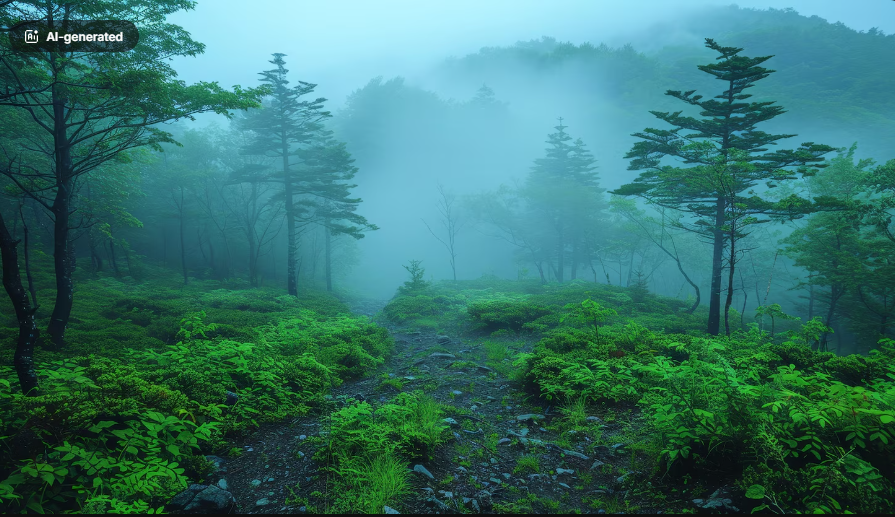
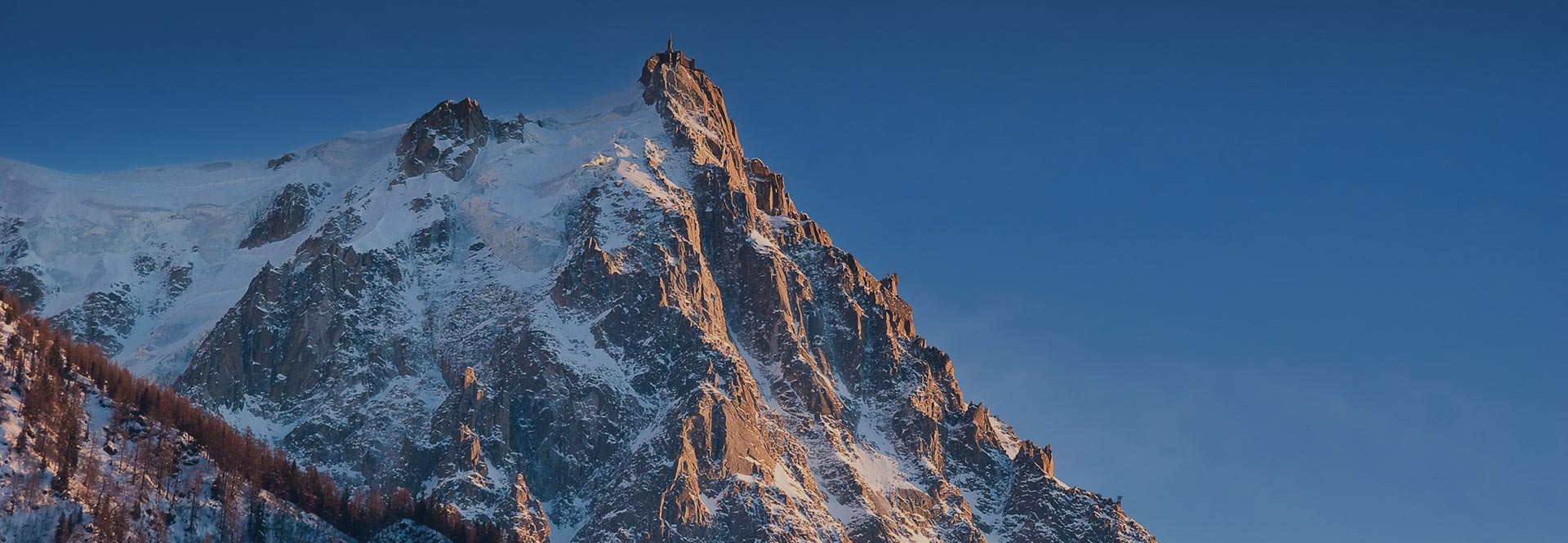
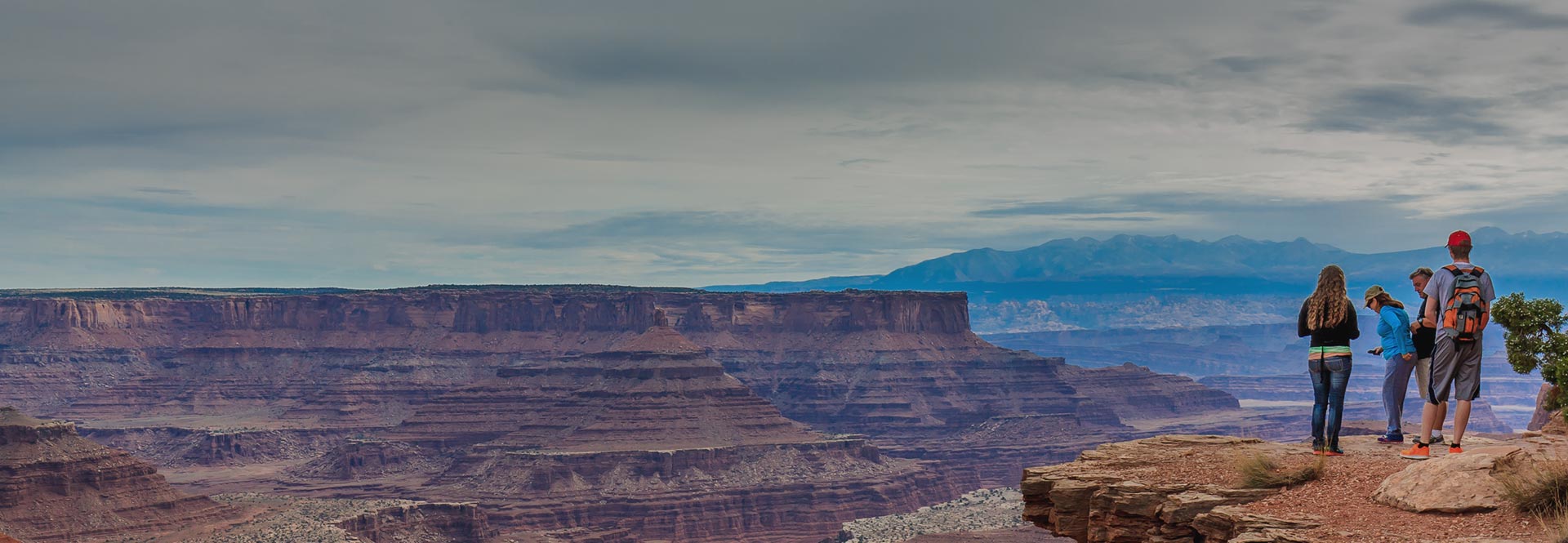
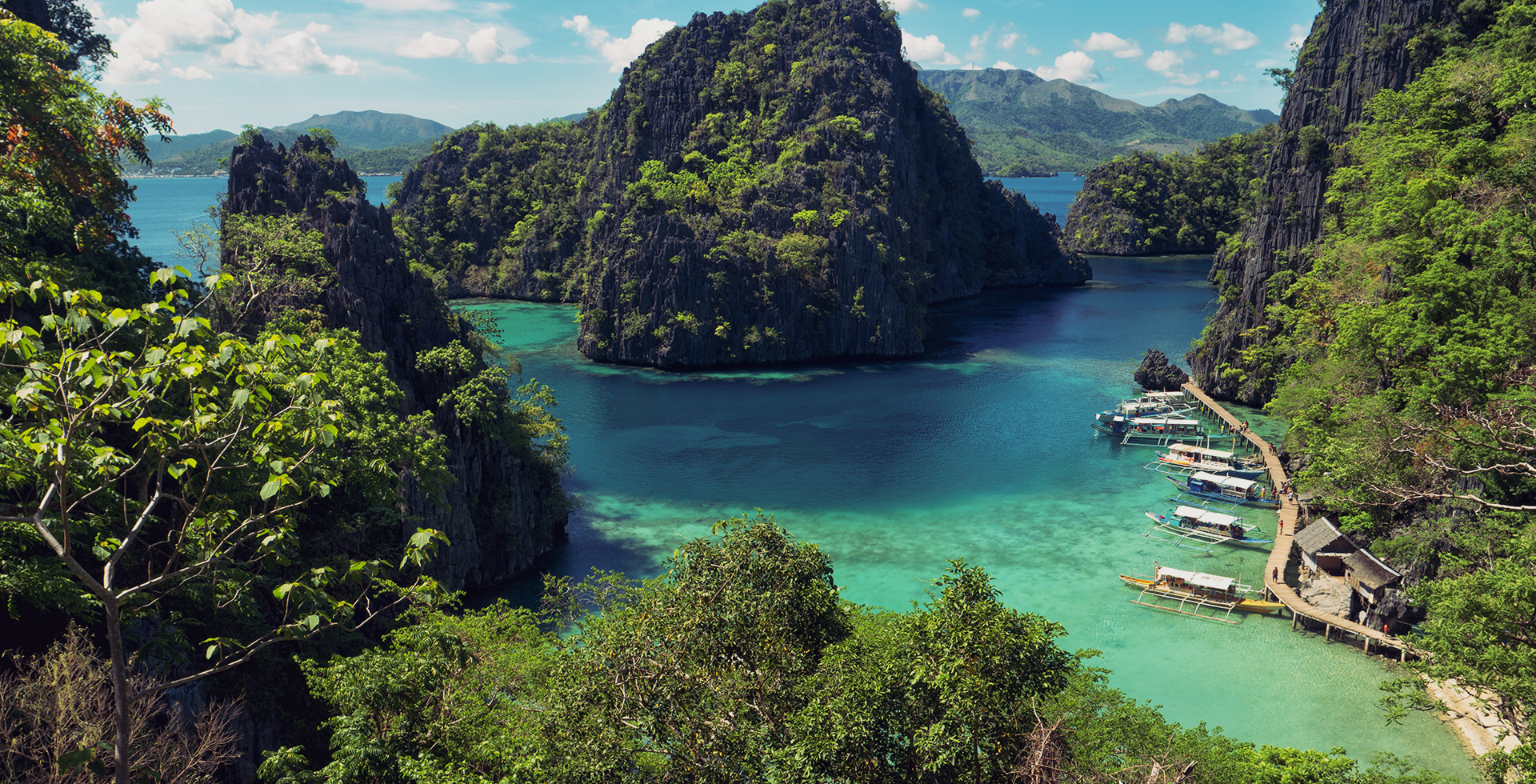
Explore the spiritual beauty of Tiruvannamalai and Kollur Mookambika, the lush Western Ghats, and the pristine beaches of Gokarna through a collection of stunning images from this unforgettable five-day journey.





5 Days: Tiruvannamalai to Mookambika & Gokarna
Day 1
Title
Day 1 – Tiruvannamalai to Udupi via the Western Ghats
Description
- 4:00 AM departure from Tiruvannamalai
- Breakfast near Salem
- Lunch in Karnataka
- Scenic drive through the Western Ghats
- Arrive in Udupi/Kundapur
- Overnight stay
Day 2
Title
Day 2 – Kollur Mookambika Temple & Kodachadri
Description
- Morning darshan at Mookambika Temple
- Souparnika River
- Temple lunch
- Optional Kodachadri visit
- Evening Aarti
- Overnight in Kollur
Day 3
Title
Day 3 – Kollur to Gokarna
Description
- Scenic coastal drive
- Mahabaleshwar Temple
- Om Beach
- Sunset
- Overnight in Gokarna
Day 4
Title
Day 4 – Gokarna Beaches & Temples
Description
- Mahabaleshwar Temple
- Kudle Beach
- Half Moon Beach
- Paradise Beach (optional)
- Sunset
- Overnight in Gokarna
Day 5
Title
Day 5 – Paradise Beach & Departure
Description
- Paradise Beach
- Gokarna town walk
- Lunch
- Departure to Tiruvannamalai / Goa / Bangalore
Tour Location
Discover sacred temples, lush Western Ghats, and the pristine beaches of Karnataka on one unforgettable journey.
Leave a Reply
- Private air-conditioned vehicle
- Professional chauffeur
- 4 Nights accommodation
- Daily breakfast
- Temple visits
- Beach sightseeing
- Pickup & drop from Tiruvannamalai
- Fuel, toll & parking
- Driver allowance
- 24/7 travel assistance
- Tour operates year-round.
- Comfortable walking shoes are recommended.
- Temple dress code applies.
- Carry valid photo ID.
- Boat rides depend on weather conditions.
- Kodachadri visit is optional.
- Vegetarian and Jain meals available on request.
- Private tour only.