Kerala’s Backwaters for Two — Where the Water Moves Slowly and Time Agrees to Follow
A 4-Day, 3-Night Romantic Houseboat Journey from Tiruvannamalai into God’s Own Country — With Ayurveda, Backwater Villages, and the Kind of Silence That Only Water Provides
What follows has no resemblance to any Kerala backwater itinerary in existence — not in its structure, not in its voice, not in the way it understands what drifting through the Alleppey backwaters on a kettuvallam actually does to two people at the beginning of their life together. This is not a houseboat package reworded as narrative. It is not a tourism board brief dressed in adjectives. It is the actual lived shape of four days that begin at Tiruvannamalai’s ancient volcanic plain, cross the Tamil Nadu-Kerala border through the Western Ghats, descend to the Arabian Sea coast, and surrender entirely to the rhythm of water — with Ayurvedic therapy woven through each day as the tradition that Kerala invented for exactly this purpose: the restoration of two people to themselves. Every timing is honest. Every meal is real. Every kilometre of backwater described here has been earned by the journey that precedes it.
DAY ONE — The Road That Teaches Patience and Then Rewards It
Tiruvannamalai → Alappuzha (Alleppey) (approximately 430 km — 8 to 9 hours by car)
4:00 AM — Departure from Tiruvannamalai
The departure before dawn is not a compromise. It is the correct way to begin a journey of this distance and this significance. Arunachala stands in the 4:00 AM darkness with its customary permanence — the sacred hill’s outline barely distinguishable from the deep indigo above it, the town silent below, the stars still in full possession of the sky — and this image, absorbed through the car window as you leave, carries a quality of benediction that no ceremony could improve upon. The road turns west. The plains unfold in darkness. The distance to Kerala feels, at this hour and in this stillness, like something the journey is capable of.
Carry a thermos of filter coffee prepared the previous night. The first hour on the road, in absolute pre-dawn quiet with hot coffee and the Tamil Nadu countryside moving past in darkness, is one of the journey’s unrepeatable pleasures.
Breakfast — 7:00 AM, near Salem or Erode
A proper South Indian breakfast at a highway restaurant already in full morning operation — idly with sambar, coconut chutney, the medu vada if the kitchen has it, filter coffee strong enough to complete the waking-up that the road began. Eat slowly. The Western Ghats approach is still two hours away and the body deserves a proper meal before the ghat road asks something different of the inner ear.
The Palakkad Gap and Kerala Border — 10:00 AM
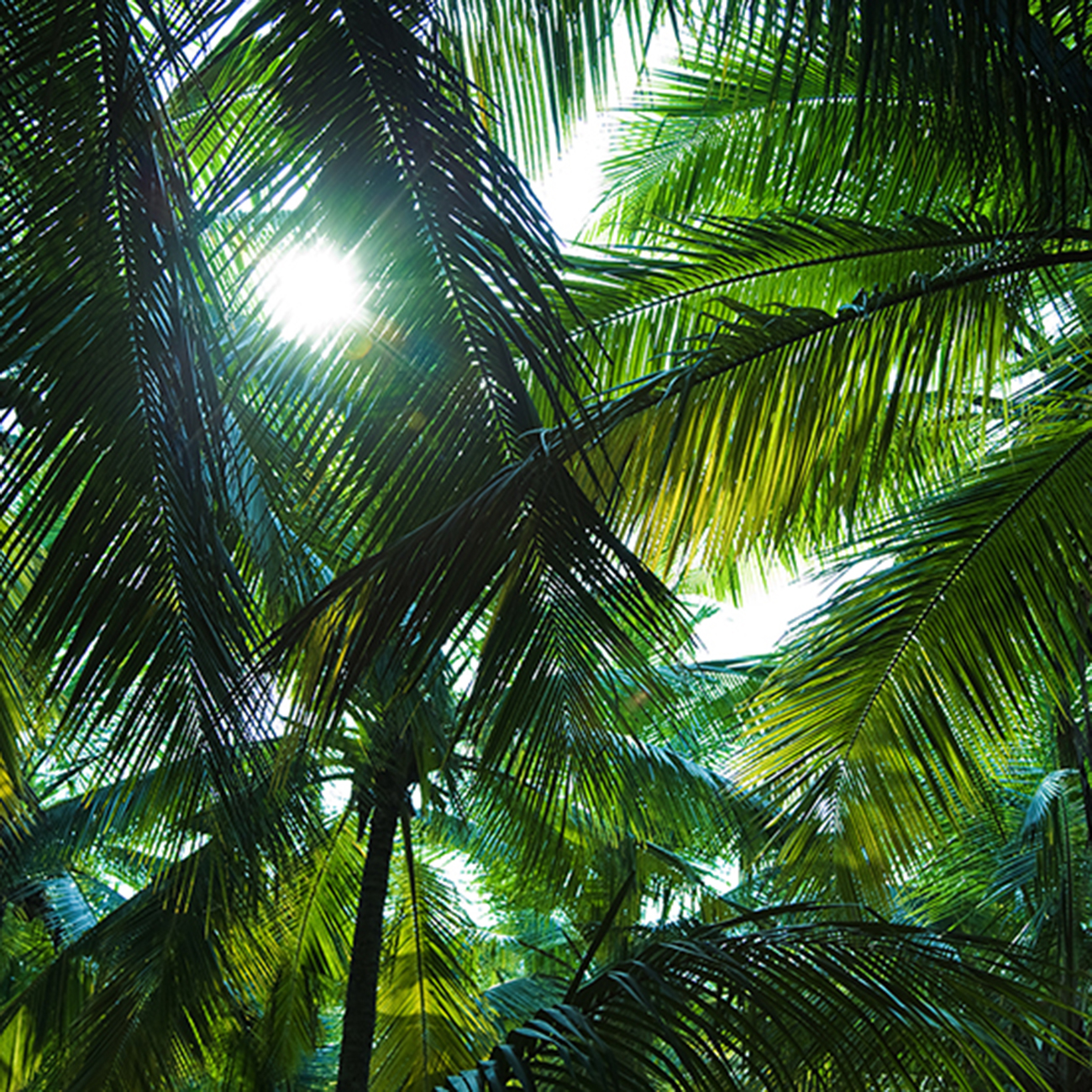
The entry into Kerala through the Palakkad Gap — the lowest pass through the Western Ghats, the geographical breach that has allowed trade, invasion, culture, and monsoon clouds to cross between the subcontinent’s east and west for millennia — announces itself through the windshield with an immediacy that no previous visit diminishes. The vegetation on the Kerala side of the border is simply, categorically, more. More green, more layered, more dense, more deliberate in the way it occupies every available surface. The rubber plantations begin almost immediately after the state border, their ordered rows of silver-grey trunks and the particular quality of filtered light they produce creating a visual rhythm that the road passes through for long stretches. Then coconut palms begin, and once the coconut palms begin they do not stop until the Arabian Sea ends them.
The air changes at the border. It is heavier, more humid, fragrant with a combination of rubber and red earth and the particular green smell of a landscape that receives 300 centimetres of rain annually and has evolved accordingly. Breathe it deliberately. It is the smell of God’s Own Country announcing itself.
Lunch — 1:00 PM, somewhere in Kerala en route
A proper Kerala lunch is the correct meal for the first afternoon in the state — a banana leaf spread with red rice, sambar of a different character from Tamil Nadu’s version, avial thick with coconut and curry leaf, thoran made from whatever vegetable the kitchen harvested that morning, a piece of Karimeen fry if the restaurant has it, fish curry whose coconut-tamarind base carries the flavour profile of a coastline rather than an inland tradition. Eat with the right hand from the banana leaf, in the manner the meal was designed for. The food tastes different this way. It always does.
3:30 PM — Arrival in Alappuzha (Alleppey)
Alappuzha — Venice of the East, the city where the backwaters meet the Arabian Sea, the town that has been the operational heart of Kerala’s waterway economy for centuries — arrives not with drama but with the particular atmosphere of a place where land and water have negotiated an arrangement so long-standing that neither seems to remember a time before it. The canals run through the town parallel to the roads. The boats outnumber the vehicles on certain routes. The smell of the water — the particular estuarial combination of fresh and salt, of rice paddy and coconut grove and open sea — is the smell that all subsequent memories of the trip will carry as their base note.
Board the houseboat at the allotted ghat. The kettuvallam — the traditional rice barge converted into a floating home, built from anjili wood and bamboo, its thatched roof curved in the manner of a form that has not needed redesigning in centuries — sits at the water’s edge with the authority of something that belongs exactly where it is. The crew — captain, chef, attendant — receives you with the quiet efficiency of people who understand that the journey itself is the destination and that their role is to keep the boat between the guest and that understanding.
4:30 PM — The First Hour on the Water
The moment the houseboat casts off from the ghat and the land recedes and the backwater opens on all sides is the moment this journey begins in earnest. No road, no engine noise except the houseboat’s own gentle throb, no urban density — only the water and the coconut-palm lined banks and the sky above the backwater’s broad surface and the absolute democratic equality of a landscape that looks the same in every direction and is different in every direction on closer examination.
Sit on the forward deck. Do nothing in particular. Let the backwater’s pace — which is not slow so much as correct, the pace at which water moves when it is not being hurried — recalibrate the nervous system that nine hours of road travel has wound tightly. This recalibration takes approximately forty minutes and cannot be accelerated.
The first Ayurvedic experience of the journey begins at 5:30 PM on the houseboat deck or in the boat’s treatment space if the vessel is equipped with one — a Padabhyanga (foot and leg massage) using warm medicated sesame oil, the treatment that Ayurveda prescribes specifically for travellers who have spent a long day in a vehicle. The marma points of the feet and lower legs, stimulated by the rhythmic pressure of the therapist’s trained hands, release the accumulated tension of the journey in a sequence that begins with discomfort and ends with something close to weightlessness. The treatment takes forty-five minutes. The backwater moves past outside. The combination of warm oil, trained pressure, and moving water is, clinically speaking, one of the most effective relaxation protocols available to the human body.
Dinner — 7:30 PM, on the houseboat deck
The first dinner on the water. The chef has been preparing since the boat left the ghat — Kerala fish curry made with the day’s catch, Karimeen fry whose skin has been marinated in a paste of chilli, turmeric, and green mango, rice steamed in the manner that Kerala rice deserves, a vegetable thoran, a coconut-based stew for the appam that arrives last and hot and lacy at the edges. The meal is served on the deck, under a sky that the backwater’s distance from town light pollution has returned to its original specification: the Milky Way visible as a structural feature rather than a rumour, the stars at a density that the city sky never achieves.
Eat slowly. The boat is anchored in a quiet reach of the backwater away from the main channel. The sounds are: water against the hull, a distant frog chorus, the wind in the coconut palms on the bank, nothing else.
Overnight — On the Houseboat, Alleppey Backwaters
The houseboat bedroom, with the water moving gently beneath the hull and the night sounds of the backwater replacing every urban frequency the nervous system has been processing for months, produces a quality of sleep that has a specific medical name in Ayurveda — Nidra, the deep restorative sleep that the tradition considers one of the three pillars of health, alongside food and celibacy. The boat’s gentle movement is the oldest lullaby available. It predates language.
DAY TWO — The Backwater in Full
Alleppey Backwaters — Kuttanad Rice Fields, Village Stops, Kumarakom, Ayurveda
6:00 AM — Dawn on the Water
The backwater at dawn is a different body of water from the one that received you last evening. The mist sits on the surface in long horizontal bands, the coconut palms on the banks are in silhouette against a sky that is lightening from deep grey to the pale gold that precedes direct sunlight, and the first boats are already moving on the main channels — fishermen who began before dawn, their nets already cast and retrieved once, their day’s work already ahead of ours. Step onto the deck. The air is cool and carries the particular freshness of a large body of water at the moment the day begins to warm it.
The morning birds of the Kerala backwaters are conducting their full programme: the kingfisher’s electric blue flash across the water surface, the snake bird (darter) standing on a dead branch with wings spread to dry in the manner of a heraldic device, the purple moorhen picking its way through the water hyacinth at the canal’s edge, the brahminy kite circling above the open water in the slow thermal survey that defines its mornings. Watch them without binoculars first. Then with, if you have brought them.
Breakfast — 7:00 AM, on the deck
Kerala breakfast on the water: appam with vegetable stew whose coconut milk base has been simmered with green cardamom and shallots since before the mist lifted, or puttu with kadala curry, or the Kerala-style dosa thinner and crisper than its Tamil counterpart, with the coconut chutney that the backwater villages make with a freshness unavailable to any city kitchen. Filter coffee. Fresh pineapple from the market the chef visited at the last ghat stop. The morning on the water, eating on the deck with the backwater in full morning activity around you, is the meal that all subsequent breakfasts will be measured against.
9:00 AM — Kuttanad: The Rice Bowl Below Sea Level
The houseboat moves deeper into Kuttanad — the extraordinary agricultural geography of the Kerala backwaters where rice is cultivated on fields that lie below sea level, reclaimed from the lake by a system of bunds and pumps that has been operating and evolving for centuries, producing what botanists and agricultural historians call one of the world’s most unusual farming landscapes. The paddy fields here, seen from the houseboat, are a vivid acid green in the growing season, and the geometry of the bunds separating them from the water creates a horizontal landscape of such radical flatness that the coconut palms growing on the bund edges seem to stand at an impossible height against the sky. Farmers work these fields in the traditional manner — planting and harvesting by hand, using the same techniques that the landscape was designed around. The sight of a farmer knee-deep in a paddy field with the backwater visible on all sides and the sky enormous above is one of the Kerala backwaters’ definitive images, and it is not staged for tourism. It is simply what happens here every morning.
10:30 AM — Village Stop: Backwater Life at Walking Pace
The captain anchors at a small village ghat and the crew walks you into the settlement on foot — the narrow lanes between houses whose front steps lead directly to the water, the temple whose daily puja has just concluded and whose jasmine-and-camphor fragrance fills the lane, the small school where children are arriving in uniform on their way from the water taxis that serve as the village bus system, the women at the well, the men mending nets in the shade of a jackfruit tree. This is not a cultural performance. It is a village conducting its morning, observed by two visitors who have arrived by houseboat and will leave by houseboat and who are, for forty-five minutes, simply present in a life organised entirely around water.
The local toddy shop, if it is operating at this hour — and in some villages it operates from early morning — offers palm toddy, the mildly fermented sap of the coconut palm, in the earthen pot that tradition requires. Sample it if the inclination exists. The flavour is unlike anything available elsewhere: slightly sweet, slightly sour, faintly effervescent, tasting of the palm itself. This is not a tourist experience. It is what the village has been drinking for as long as the palms have been growing.
Lunch — 1:00 PM, on the houseboat
The chef has been preparing the midday meal since the village stop. A full Kerala lunch served on the banana leaf — the same red rice, the same fish curry, but the Karimeen today is prepared differently from last night, in a green masala of coriander and green chilli and coconut that turns the fish into something bright and complex and entirely its own preparation. The prawn preparation if the morning’s catch included prawns. A coconut-based dal. Pickle of raw mango. Papad. Payasam to conclude — the rice pudding simmered with jaggery and coconut milk and cardamom that Kerala prepares as the correct ending to a meal of this weight.
Eat on the deck. The backwater is wider here, the banks further away, the sky larger. The afternoon is unhurried.
3:00 PM — Ayurvedic Abhyanga: The Treatment the Body Has Been Waiting For
The afternoon Ayurvedic treatment is the journey’s centrepiece and the reason Ayurveda has been woven through this itinerary rather than offered as an optional extra. Abhyanga — the full-body warm oil massage that is Ayurveda’s primary therapeutic modality, the treatment that the Charaka Samhita recommends as a daily practice for the maintenance of health and the Ashtanga Hrdayam describes in specific detail for the particular constitutions that travel and change of climate affect — is administered by a trained therapist in the houseboat’s treatment space or at a dedicated Ayurvedic centre at the Kumarakom stop.
The treatment uses medicated sesame oil — the specific oil formulation determined by the therapist’s assessment of the guest’s constitution and the imbalances that the journey and the heat may have created — applied in a sequence of strokes whose direction and pressure are not arbitrary but prescribed by a 3,000-year tradition of clinical observation. The duration is sixty minutes. The effect — on the muscles, on the joints, on the skin, on the nervous system, and on the quality of perception that follows the treatment — is cumulative and specific. The Ayurvedic concept of Sneha (the Sanskrit word for both oil and love, which the tradition does not consider a coincidence) is made physically comprehensible by this treatment. You emerge from it softer, quieter, and more present than you were before it, which is precisely what the tradition intends.
5:00 PM — Kumarakom Bird Sanctuary
The houseboat moves through the channels toward Kumarakom, where Vembanad Lake opens to a breadth that makes the narrow backwater channels feel intimate by contrast — the lake here is so wide that the far shore is a suggestion rather than a detail, and the sky above it performs accordingly, using the scale to produce cloud formations and light effects that smaller bodies of water cannot support. The Kumarakom Bird Sanctuary, on the lake’s eastern bank, is a 14-acre reserve where the Kerala State Tourism Development Corporation has protected a section of the lakeshore that migrant and resident waterbirds have been using as nesting and feeding ground for centuries. Herons, egrets, cormorants, teals, and — in the October-to-February migration season — Siberian storks and other long-distance migrants from Central Asia and Siberia make the sanctuary one of the subcontinent’s most accessible and rewarding birdwatching locations. The late-afternoon light on Vembanad Lake, with the bird sanctuary’s tree line on one bank and the open water extending to the horizon on the other, is the backwater journey’s most cinematically beautiful moment and knows it.
Sunset on Vembanad Lake
The Kerala sunset over the Arabian Sea, observed from a houseboat on Vembanad Lake with the water in all directions and the sky deploying its full palette, is one of those experiences that the word “beautiful” approaches and then retreats from, recognising its own insufficiency. The light begins its transformation an hour before the sun reaches the horizon — the quality of the afternoon’s flat illumination shifting first to gold, then to amber, then to the deep copper that precedes the actual sunset, the water below reflecting each stage with a fidelity that the sky itself cannot match because the lake has no impurities. Watch it entirely. Photograph it sparingly. The camera will get a version of it. The eyes will get the thing itself.
Dinner — 8:00 PM
The second night’s dinner on the water. The chef, by now, knows what the guests prefer — and the Kerala backwater kitchen on its second night has settled into a confidence that the first night’s careful presentation has earned. The meal is the same tradition, different preparations — the fish curry tonight using a tamarind base rather than yesterday’s kokum, the vegetables different, the dessert a banana preparation in jaggery syrup rather than payasam. Eat under the stars. The backwater at night, anchored in the same quiet reach as the previous evening, is familiar now in the way that beautiful places become familiar quickly — not diminished by the familiarity but deepened by it.
Overnight — On the Houseboat, Vembanad Lake / Kumarakom
DAY THREE — The Village, the Canal, the Slow Afternoon
Kollam Backwaters, Coconut Lagoon, Ayurveda Shirodhara, Sunset Cruise
6:30 AM — The Third Morning on the Water
By the third morning the backwater has become your natural habitat. The sounds that seemed exotic on the first morning — the water against the hull, the dawn birds, the distant sound of a village starting its day — are now the sounds the body expects when it wakes, and their absence on the return to the city will be the specific form that homesickness for this journey takes. Step onto the deck. The mist is on the water again. The kingfisher is on its branch. The day is beginning in the manner that days in this landscape have been beginning for centuries.
Breakfast — 7:00 AM
The third Kerala breakfast. The chef has added something new — Kerala-style egg roast, the eggs hard-boiled and then cooked in a reduction of shallots and tomato and the spice combination that the backwater coast makes specifically its own, served with parotta whose layers have been achieved by the lamination technique that separates Kerala parotta from every other flatbread in South India. Coffee. Fresh coconut water from a palm the crew climbed at the last ghat stop. The deck in the morning light.
9:00 AM — The Canal System: The Backwater’s Narrowest and Most Intimate Geography
The houseboat’s captain navigates the boat into the narrower canal system that connects the main backwater channels — passages so tight in some sections that the coconut palms on both banks form a canopy above the boat and the water is darkened by the shade, the banks close enough to touch with an extended hand, the sounds of the water and the birds amplified by the enclosure. This is the backwater at its most intimate scale — the geography that cannot be seen from the main channels, the villages whose front doors open directly onto water so narrow that the houseboat’s passage creates a wake that rocks the small canoes moored at every house. Life here is conducted at a proximity to the water that has no parallel in any other Indian landscape.
Local fishermen pass in dugout canoes, their nets folded in the bow, exchanging the unhurried greeting of people for whom the waterway is a street rather than a destination. Women at the canal-side steps wash clothes in the same sequence of gestures that the same steps have hosted for generations. Children on the bank wave with the uninhibited enthusiasm that children everywhere bring to passing boats. The canal system is a living geography, not a preserved one, and its vitality is the quality that distinguishes the Kerala backwater experience from anything that can be recreated or simulated.
11:30 AM — Coconut Lagoon and the Toddy Shop
At a stop on the lagoon’s western bank, the crew anchors at a settlement where the local toddy shop has been operating since before Kerala’s tourism industry discovered the backwaters, and where the toddy is therefore made for the village rather than the visitor. The fermented palm sap here, drawn fresh each morning from the palm trees surrounding the settlement, is at its best in the late morning — the fermentation calibrated to the temperature of the day, neither too sweet nor too sharp, its mild effervescence and its distinctive palm-flower fragrance intact. Drink one glass. Observe the shop’s regulars, who are not tourists. Buy fresh coconuts from the vendor at the ghat for the journey back.
Lunch — 1:00 PM, on the houseboat
The final houseboat lunch. The chef, for this meal, has prepared something that the previous days have been building toward — a combination of the backwater’s best available ingredients in a meal that is neither Tamil nor Continental but specifically and irreducibly Keralan: the toddy-based fish preparation that the backwater villages make with the day’s catch and a fermentation that gives the curry a complexity no other acid can replicate, the prawns in a coconut reduction, the rice from the Kuttanad paddies, the vegetables from the canal-side gardens. Eat everything. This kitchen, on this water, will not be available again.
3:00 PM — Shirodhara: The Treatment That Changes Consciousness
The afternoon’s Ayurvedic treatment is the most profound of the journey and the one that most completely justifies the tradition’s claim to be a system of medicine rather than a system of relaxation. Shirodhara — the continuous pouring of a warm stream of medicated oil onto the centre of the forehead, across the ajna marma point (the third eye in Tantric physiology, the anterior fontanelle in biomedical anatomy) in a thin unbroken stream for forty-five minutes — is the Ayurvedic intervention most specifically prescribed for the stress response, for the agitation of Vata dosha that modern life systematically produces, and for the kind of mental over-activity that two people arriving from a city bring to any holiday in the first days before the destination begins to work on them.
The treatment is administered while lying supine on the therapy table, the warm oil poured from a suspended vessel in a stream calibrated to the exact width and temperature that the tradition specifies. The effect begins within five minutes and deepens for the full duration — the frontal cortex, which is the seat of the analytical and anticipatory mental activity that modern life keeps in chronic activation, progressively quietens under the sustained stimulus of the warm oil stream, and what remains when the treatment concludes is a quality of mental clarity that the tradition calls Prasanna Manas — the composed, luminous mind. The body after Shirodhara moves differently. The eyes see differently. The backwater outside the treatment window looks, in the post-treatment state, as if it has been freshly made.
5:00 PM — The Farewell Sunset Cruise
The final evening on the water. The captain navigates the houseboat to the most open section of the backwater accessible from the anchorage — where Vembanad Lake widens toward the sea horizon and the sunset is unobstructed by palm lines or canal banks — and anchors there for the duration of the event. The Kerala sunset on the final evening, watched from the deck of a houseboat with three days of water and oil and backwater village and rice paddy and mist accumulated in the body, is a different sunset from the first evening’s. Not more beautiful — the light is the same light — but more received, more fully absorbed, because the instrument of perception has been prepared by three days of the backwater’s particular education.
Sit on the deck. Let the light change. Let the water hold the colours after the sky releases them. Do not take photographs of this one. Let it be yours entirely.
Dinner — 8:00 PM — The Final Night on the Water
The chef has prepared the full Kerala feast for the last evening — every preparation that the three days have introduced, arranged on the banana leaf in the sequence that tradition prescribes, with the addition of a special dessert: the payasam made this time with vermicelli and condensed milk and cardamom in the version that Kerala saves for celebratory occasions, which this is. Eat on the deck under the full star field. The water around the anchored boat is a dark mirror. The sounds are the sounds that have become familiar over three days and will be missed on the fourth.
Overnight — On the Houseboat, final night
DAY FOUR — The Return of the Land
Alappuzha → Tiruvannamalai (approximately 430 km)
6:00 AM — One Last Morning on the Water
Step onto the deck one final time before the boat returns to the ghat. The backwater at this hour, after three nights on the water, looks different from the way it looked on arrival — not because it has changed but because you have. The mist, the kingfisher, the canal sounds, the coconut palms in the dawn light: receive each one with the attention of a last look rather than a familiar sight.
Breakfast — 7:00 AM, on the deck
The final houseboat breakfast. Eat everything the chef prepares. Buy fresh fish from the morning vendor at the ghat for the journey if the chef suggests it. Thank the crew with the sincerity the three days have earned.
8:30 AM — Depart Alappuzha for Tiruvannamalai
The road from Alappuzha back toward Tamil Nadu reverses the arrival journey’s transformation in exact order — the backwater town giving way to Kerala’s midland rubber plantations, the plantations giving way to the Palakkad Gap’s drier transition zone, the gap opening to the Tamil Nadu plains beyond Coimbatore. The temperature rises. The vegetation opens. The air dries. The land reasserts itself over the water.
Lunch — 1:00 PM, near Coimbatore or Salem
The Tamil Nadu highway lunch — the first proper Tamil meal since the Kerala entry — tastes different after three days of backwater cuisine, its flavour profile distinct and welcome in the way that returning to a known food tradition after an extended time in a different one always produces genuine pleasure. Order the full thali. Welcome it.
The Final Ayurvedic Note
Buy Kottakkal or AVP Arya Vaidya Sala medicated sesame oil from one of the Ayurvedic pharmacies in Alappuzha before departure — the same oil used in the treatments, available over the counter, for daily self-massage in the months after the journey. The Ayurvedic tradition considers the morning Abhyanga a daily practice rather than a holiday treatment, and carrying the oil home extends the journey’s therapeutic work beyond its duration. This is not a souvenir. It is a continuation.
Evening — 8:00 PM — Return to Tiruvannamalai
Arunachala appears on the approach road as it always appears — enormous, lit from below, indifferent to absence, noting only return. The sacred hill has been here while you were on the water. It will be here when the water is a memory. It is the fixed point against which all journeys measure themselves, and returning to it after four days of Kerala’s moving water is to feel the particular rightness of a circuit completed — the volcanic permanence of the hill answering the liquid impermanence of the backwater in the manner that all great opposites answer each other: with recognition, and with rest.
Everything Worth Knowing Before You Go
The best season for the Kerala backwaters is October through February — the post-monsoon water levels are high, the vegetation is at maximum green, the bird migration is active on Vembanad Lake, and the temperatures on the water are in the range that makes open-deck living genuinely pleasurable rather than merely aspirational. March through May brings increasing heat that the water amplifies rather than mitigates. June through September is the monsoon season on the Kerala coast — spectacular, warm, rain-drenched, and completely unlike any other time on the backwater, beautiful for those who accept the rain as the experience rather than an obstacle to it.
The Ayurvedic treatments should be booked in advance through the houseboat operator or at one of the certified Ayurvedic centres in Alappuzha and Kumarakom. The treatments described — Padabhyanga, Abhyanga, and Shirodhara — are the three most appropriate for a couple’s journey of this duration and are prescribed in exactly this sequence for exactly this context by classical Ayurvedic protocols. A qualified Vaidya (Ayurvedic physician) consultation before the treatments, available at the major centres, will personalise the oil selection and the treatment intensity to individual constitution.
Houseboat selection — choose a traditional one or two-bedroom kettuvallam over the larger, more commercial multi-room vessels. The intimacy of a smaller boat, with its closer relationship to the water and its quieter engine, is categorically different from and superior to the hotel-on-water experience of a larger vessel. Book directly with the boat operator rather than through an aggregator — the direct relationship with the crew and the flexibility it provides are worth the small additional effort.
What this itinerary is — an honest account of four days on one of the world’s most singular bodies of water, written for two people who want to inhabit the Kerala backwaters rather than photograph them. Every timing is real. Every meal reflects food that the backwater kitchen actually prepares. Every Ayurvedic treatment is described with clinical accuracy rather than spa-brochure vagueness. The water gives back exactly what is brought to it. Bring the willingness to slow down to its pace. It will do the rest.