



Ooty Masinagudi Bokkapuram Honeymoon Itinerary from Tiruvannamalai: 4 Days 3 Nights — Nilgiri Hills, Jungle Resorts & Wildlife Safari Guide
$2830 per person
Ooty, Masinagudi & Bokkapuram for Two — Where the Nilgiris Write the Love Story and the Jungle Keeps It Secret
A 4-Day, 3-Night Honeymoon Journey from Tiruvannamalai through Tamil Nadu’s Most Romantically Diverse Landscape
Nothing that follows resembles any itinerary you have encountered before — not in structure, not in voice, not in the way it understands what a honeymoon in the Nilgiris actually is. This is not a travel package formatted as prose. It is not a hotel brochure wearing the clothes of a travel guide. It is the actual lived architecture of four days that move from Tamil Nadu’s sacred volcanic plain through the Queen of Hill Stations into the edge of one of India’s oldest wildlife sanctuaries and finally into the forested privacy of Bokkapuram’s jungle resorts — where the sounds at night are not traffic but something older and more honest. Every timing is real. Every meal exists. Every place described here earns its place on the page.
DAY ONE — The Long Road Into the Nilgiris
Tiruvannamalai → Ooty (approximately 330 km — 7 to 8 hours by car)
4:30 AM — Departure from Tiruvannamalai
You leave before the town has decided to wake up. Arunachala stands in the absolute darkness of 4:30 AM exactly as it has stood for millions of years — immense, unhurried, its volcanic outline barely separable from the deep indigo of the pre-dawn sky — and this is Tamil Nadu’s last offering before the road turns northwest and the flat sacred plain gives way to the long approach toward the Nilgiri Hills. The early departure is not a hardship. It is a specific and unrepeatable gift — the highway in darkness, the countryside honest and unperforming, the body still warm with sleep and the distance ahead arranged like a promise rather than an obligation.
The drive passes through the agricultural heartland of Tamil Nadu — Villupuram, Salem, the cotton-growing plains around Erode — in a sequence of landscapes that the darkness softens and the dawn gradually illuminates, each district announcing itself in a slightly different quality of light and a slightly different smell through the open window.
Breakfast — 7:00 AM, somewhere near Salem or Erode
A highway restaurant already operating at full morning momentum: idly with sambar that has been reducing since before you woke up, coconut chutney ground fresh, filter coffee in the steel tumbler whose temperature and weight are themselves a kind of comfort. Eat properly. The road ahead includes the Nilgiri ghat and a full afternoon in Ooty, and the body deserves fuel proportional to the day’s ambitions.
The Mettupalayam Approach and Ghat Road — 10:00 AM
Beyond Coimbatore, the Nilgiri foothills begin announcing themselves — the flat plains developing a corrugated horizon, the roadside vegetation thickening, the air through the window carrying the first suggestion of altitude and green. The ghat road from Mettupalayam to Ooty is one of South India’s most celebrated drives — thirty-six hairpin bends climbing from the plains at 300 metres to the Nilgiri plateau at 2,240 metres through a landscape that transforms itself completely every few hundred metres of elevation. Teak gives way to silver oak. Silver oak gives way to eucalyptus and shola. The temperature drops a degree with each bend. The plains below, visible through occasional gaps in the roadside forest, retreat to a pale flat distance that by the time you reach the upper bends looks like a memory of another world entirely.
The Nilgiri Mountain Railway track runs alongside sections of this road — and if the toy train happens to be making the ascent on the same morning, the sight of the UNESCO World Heritage steam locomotive working its way up the grade through the forest, smoke rising against the green hillside, is one of those unrepeatable images that justify early starts.
12:30 PM — Arrival in Ooty
Ooty — Udhagamandalam, the Queen of Hill Stations, the town that the British built at 2,240 metres because the Nilgiri plateau gave them back the climate they had left behind — arrives not as a single dramatic revelation but as a gradual accumulation of sensory evidence: the pine trees closing over the road, the temperature now decisively cool, the smell of eucalyptus and wood smoke and something floral that the Nilgiri Hills produce in combination and nowhere else. The town’s colonial bones — the racecourse, the broad-shouldered churches, the tea estates on the surrounding slopes — give it a quality of layered history that more recently developed hill stations lack entirely.
Check in. Choose a boutique property or heritage homestay with valley or garden views over a commercial hotel. Ooty’s best accommodation is its most characterful — properties that were built to be homes rather than hotels and which carry that domesticity in the warmth of their rooms and the quality of their fireplaces. Unpack. Stand at whatever vantage the property provides and let the altitude announce itself to the nervous system, which has spent seven hours and 330 kilometres earning this moment.
Lunch — 1:30 PM
A proper Nilgiri meal — which in Ooty means a combination of South Indian Tamil tradition and the Anglo-Indian culinary inheritance that the colonial period left behind. Vegetable stew with appam, or a full rice meals with Nilgiri-grown produce, or the mutton preparations for which certain old Ooty restaurants are locally celebrated and which the guidebooks rarely mention because they are not famous for any reason except being genuinely good. Eat slowly. The afternoon is full but unhurried.
3:00 PM — Ooty Botanical Garden
Established in 1848 and spanning 55 acres of the Nilgiri plateau’s gentler slopes, the Government Botanical Garden is one of South India’s great horticultural achievements — a space where Victorian botanical science met the extraordinary raw material of the Nilgiri Hills’ endemic flora and produced something that has been growing in complexity and beauty for over 175 years. The garden is divided into sections of distinct character: the Lower Garden with its immaculate lawns and formal flower beds, the Italian Garden with its terraced geometry, the Conservatory housing the orchid and fern collections, and the upper sections where trees planted in the mid-nineteenth century have achieved a scale and canopy density that transforms them from specimens into landscape. The 20-million-year-old fossilised tree trunk displayed near the garden’s centre is a piece of geological time made physical — a log of ancient wood that was alive when the Nilgiri plateau itself was being formed, and which now sits in a botanical garden on that same plateau with a patience that makes human timescales feel provisional.
Walk slowly through every section. Sit on a bench in the lower garden and watch the Nilgiri light move across the lawn. The garden in the late afternoon, when the shadows lengthen and the temperature drops another degree toward evening, is at its most quietly beautiful.
5:00 PM — Ooty Lake
The lake at the heart of Ooty — a man-made body of water covering 65 acres, fringed with eucalyptus and flowering plants, its surface reflecting the surrounding Nilgiri slopes in a grey-green mirror that changes colour with every movement of the cloud above it — is the town’s emotional centre, the place around which its daily life organises itself and to which its visitors inevitably return. Rent a rowboat or pedal boat from the boathouse and take forty minutes on the water. The perspective from the lake’s surface — the hills rising steeply on all sides, the town arranged on the slopes above the southern bank, the pine trees at the far end reflected in the stillness — is Ooty as it exists from the inside, which is different from and better than Ooty as observed from any road or viewpoint.
Horse riding along the lake’s eastern bank is available in the late afternoon for those who want it. The cycling path around the perimeter provides a gentler and equally beautiful alternative. Both are optional. Sitting in the boat with the hills around you and the cold coming off the water is sufficient.
Evening — 6:30 PM
The Nilgiri evening is definitive. The temperature at 2,240 metres after sundown is cold enough to require a proper jacket and warm enough to walk in, and this combination — cold air, warm clothes, the town lit against the surrounding dark hills — is the specific atmospheric condition that makes Ooty evenings famous. Walk the market area. Buy Nilgiri tea from one of the estate shops that sell the single-estate varieties unavailable in any city. Buy the handmade chocolates for which Ooty is locally celebrated — the quality here, made with Nilgiri dairy cream, is categorically different from commercial chocolate. The evening market, with its produce stalls and spice vendors and the particular smell of a Nilgiri hill-town after dark, is one of the experiences that no itinerary can fully prepare you for.
Dinner — 8:00 PM
Return to the property for dinner. A good Ooty property on a cold evening will have a fireplace and will have lit it, and the combination of a fire, a properly cooked meal, and the absolute darkness of the Nilgiri Hills outside the window is one of the honeymoon’s definitive moments — not because it is dramatic but because it is perfectly, irreducibly itself.
Overnight — Ooty
The cold at 2,240 metres under a proper blanket, after a day that began at 4:30 AM in Tiruvannamalai’s warm plains, is comprehensive and complete. Sleep arrives without being invited.
DAY TWO — The Queen in Full
Ooty — Doddabetta, Nilgiri Mountain Railway, Rose Garden, Tea Factory, St. Stephen’s Church
6:00 AM — The First Full Nilgiri Morning
Step outside before breakfast. The instruction costs nothing and the return is everything: Ooty at dawn, with mist in the valleys below the tea estates and the sun not yet above the eastern escarpment, produces a quality of morning air — cold, fragrant with pine and eucalyptus and the particular green smell of high-altitude dew — that the rest of the day will not replicate. Stand in it for ten minutes. This is the specific reward for being awake.
Breakfast — 7:00 AM
A full cooked breakfast at the property — eggs prepared in whatever manner the kitchen does best, toast with the local honey if the kitchen sources it, porridge on the coldest mornings which Ooty produces reliably, filter coffee of the strength that 2,240 metres seems to demand from caffeine. The body has a full day ahead and deserves generosity at this meal.
8:30 AM — Doddabetta Peak
At 2,637 metres, Doddabetta is the highest point in the Nilgiri Mountains and the highest peak in the entire Western Ghats outside of Kerala — a summit that earns its superlatives not through drama but through the scale of what it makes visible. The observation tower at the top, equipped with telescopes, allows on clear mornings a view that extends to Coimbatore on one side and the suggestion of Mysore on the other — a panorama of compressed geographical ambition that places the Nilgiri plateau in its full South Indian context. The dense shola forests below the peak’s upper grasslands are among the Western Ghats’ most intact high-altitude ecosystems, and the drive to the summit passes through them in a sequence of increasingly wild and beautiful vegetation that the road’s proximity makes accessible without domesticating. Arrive early, before the clouds build. The summit at 8:30 AM on a clear morning is a different place from the summit at 11:00 AM under cloud.
10:30 AM — Nilgiri Mountain Railway
The toy train from Ooty to Coonoor — a UNESCO World Heritage Site since 2005, operating since 1908, still running on the rack-and-pinion system that the gradient of the Nilgiri ghat demands — is not a tourist attraction in the conventional sense. It is a functioning piece of living railway history that happens to pass through some of the most beautiful landscape in South India. The 28-kilometre journey from Mettupalayam to Ooty, or the shorter section between Ooty and Coonoor, takes the train through tea estates, dense forests, across viaducts above valley floors that the road cannot reach, through tunnels cut through the living rock of the Nilgiri escarpment, and past waterfalls that in the post-monsoon months are in full spectacular force. The vintage carriages, the coal smoke from the steam locomotive, the slow pace that the gradient enforces — everything about the experience operates against the speed and convenience that modern travel optimises for, and this operating against is precisely its value. Sit at the window. Let the landscape come to you at the speed it deserves.
The Ooty-Coonoor-Ooty return journey takes approximately three hours and represents the morning well spent.
Lunch — 1:30 PM, in Coonoor or back in Ooty
Coonoor’s small restaurants serve a Tamil-Nilgiri combination that the altitude makes distinctive — the vegetables grown here, the dairy from the surrounding farms, the tea that flavours even the cooking — all carry the character of 1,800 metres. Or return to Ooty for lunch at a property or restaurant the first day’s reconnaissance has identified. Either choice is correct.
3:00 PM — Government Rose Garden
On the terraced slopes of Elk Hill, the Government Rose Garden is a 10-acre floral achievement of remarkable scale — over 20,000 varieties of roses arranged in a terraced layout that uses the hillside’s natural gradient to create a cascading visual effect of colour and fragrance that is, in the October-to-February blooming season, one of the most visually concentrated experiences of natural beauty available in Tamil Nadu. The varieties range from hybrid teas of formal perfection to wild-type roses whose simplicity the cultivated varieties cannot improve upon, and the pathways between the beds wind through the garden in a manner that reveals new combinations of colour and fragrance with each turn. The gazebos positioned at the garden’s higher terraces provide a view back across the rose beds toward the Nilgiri Hills that warrants a long sit and a slower pace than most gardens receive from their visitors.
4:30 PM — Ooty Tea Factory and Museum
On the verdant slopes below the town, the tea factory and its adjacent museum are a working introduction to the industry that shaped Ooty’s landscape and economy for over 150 years. The factory tour — following the tea from the withering troughs where the freshly plucked leaf loses its moisture through the rolling, oxidation, drying, and sorting stages to the final graded product — is conducted with the directness of an industry that has nothing to perform and everything to demonstrate. The museum’s collection of antique processing equipment, from the hand-operated rollers of the early colonial period to the industrial machinery of the mid-twentieth century, traces the technological arc of an agricultural tradition with considerable visual interest. The tea tasting at the end — multiple grades of Nilgiri single-estate tea, served in sequence from the lightest to the most full-bodied — is the afternoon’s best and most practical conclusion. Buy the tea here, at the source, rather than from a shop in town.
5:30 PM — St. Stephen’s Church
Built in 1829 from stone quarried in the Nilgiri Hills and incorporating wooden beams reportedly salvaged from Tipu Sultan’s palace at Srirangapatna, St. Stephen’s Church is the oldest Anglican church in the Nilgiris and one of the most beautifully situated colonial buildings in South India. The stained-glass windows depicting the Last Supper cast their coloured light across the interior in a quality of late-afternoon illumination that is specific to this building at this hour. The churchyard, where the graves of early British settlers lie under the Nilgiri sky, carries the particular atmosphere of a colonial-era cemetery that has been absorbed completely into the landscape it was placed in — the stones weathered, the inscriptions worn, the surrounding trees enormous with age. Spend twenty minutes here. The quietness is unforced.
Dinner — 8:00 PM
The second Ooty dinner. The property by now feels known — the fireplace, the blanket weight, the particular quality of the cold outside the window. Order the dish the kitchen mentioned in passing yesterday that you did not order then. Eat by firelight. The Nilgiri Hills outside are in absolute darkness and absolute quiet.
Overnight — Ooty, final night
DAY THREE — Into the Wilderness
Ooty → Masinagudi → Bokkapuram (approximately 40 km — but a world away)
7:00 AM — Breakfast and Departure Preparation
The transition from Ooty to Masinagudi is one of the most dramatic short drives in Tamil Nadu — 40 kilometres that descend from the Nilgiri plateau’s cool domesticated landscape into the hot, wild, wildlife-rich forests of the Mudumalai buffer zone. Pack light for the jungle. Leave the hill-station wardrobe in the bag and dress for a different kind of terrain.
Breakfast — 7:00 AM
The full Ooty breakfast one final time. Eat with the appetite of a morning that is about to become something completely different from the two mornings preceding it.
9:00 AM — Depart Ooty for Masinagudi
The Sigur Ghat road from Ooty to Masinagudi descends through 36 hairpin bends in approximately 25 kilometres — one of the steepest and most dramatic descents in the Nilgiris, dropping from 2,240 metres to under 1,000 metres in a road that the surrounding forest closes over completely in the upper sections and then opens dramatically as the valley floor approaches and the landscape transitions from cool-climate mixed forest to the dry deciduous vegetation of the Mudumalai buffer zone. The temperature rises fifteen degrees in thirty minutes. The vegetation changes from pine and eucalyptus to teak and bamboo and the open scrub that large mammals require for grazing. By the time Masinagudi village appears on the valley floor, the Nilgiri hill station feels like it belongs to a different geography entirely — because it does.
10:00 AM — Arrival in Masinagudi
Masinagudi sits at the edge of Mudumalai Wildlife Sanctuary — one of the oldest wildlife reserves in India, declared in 1940, part of the larger Nilgiri Biosphere Reserve that is home to the highest density of wild Asian elephants on the subcontinent. The transition from the tourist infrastructure of Ooty to the elemental simplicity of Masinagudi is immediate and complete. The roads are narrow. The trees are large. The sounds are different — less human, more persistent, more complex in their layering of bird call and insect and distant animal movement. The air smells of hot earth and dry grass and the particular dusty-sweet fragrance of teak forest in the morning.
This is not a hill station. This is the edge of the wild.
Morning — Jungle Safari, Mudumalai Wildlife Sanctuary
The safari into Mudumalai is the morning’s centrepiece and the reason Masinagudi exists on a honeymoon itinerary — a journey into a forest that is home to Asian elephants, leopards, tigers, gaur, spotted deer, sambar, four-horned antelope, wild boar, and a bird list of over 200 species that includes Malabar hornbills, crested serpent eagles, and the Indian paradise flycatcher, whose long white tail streamers moving through the forest understorey constitute one of the most beautiful sights the Indian subcontinent’s avifauna provides. The safari vehicle enters the forest at a pace that the wildlife sets rather than the schedule — slow enough for the forest to reveal itself rather than be inspected, quiet enough for the sounds that indicate animal proximity to be heard before the animals are seen. An elephant at fifty metres in a teak forest, moving through the trees with the particular silence that large animals in their own habitat achieve, produces a quality of response that no photograph and no description adequately carries. You have to be there. This morning, you are.
Lunch — 1:00 PM, at the jungle camp or a Masinagudi restaurant
A simple, hot meal after a safari morning — rice and curry, or the forest camp’s own preparation of whatever the kitchen has decided on. Eat in the shade. The Masinagudi afternoon in the October-to-February window is warm rather than hot, but the shade is still the correct choice after a morning in an open safari vehicle.
3:00 PM — Arrive in Bokkapuram, Check In
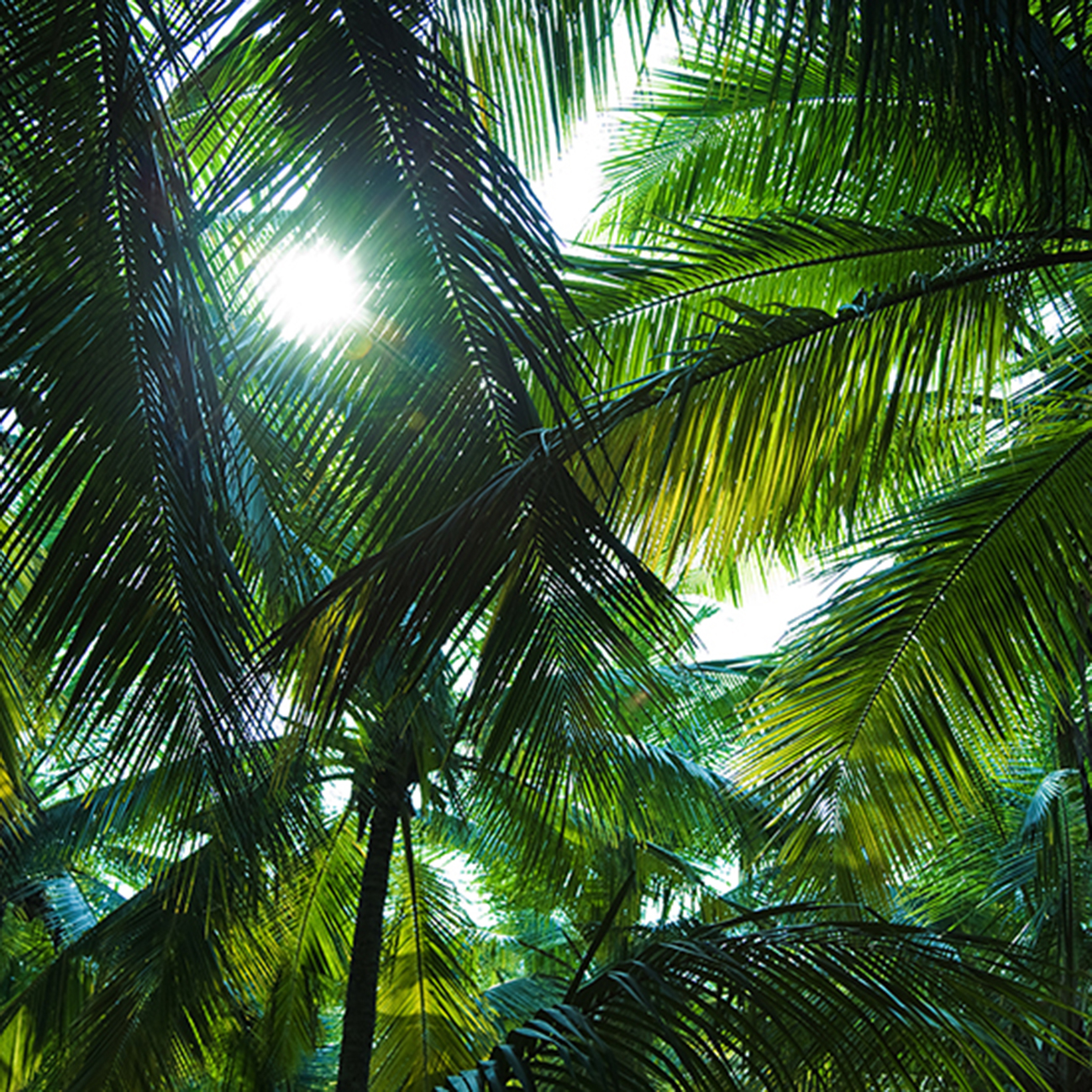
Bokkapuram — a small settlement a few kilometres deeper into the forest from Masinagudi — is where the itinerary makes its final and most intimate transition. The jungle resorts here, built in various positions within the forested buffer zone of Mudumalai, are the reason this destination exists on a honeymoon circuit: private cottages and villas set among tall trees, designed with the specific ambition of placing two people in the middle of a functioning forest ecosystem while surrounding them with the comforts that a honeymoon deserves. The architecture here is ecological rather than ornamental — large windows that bring the forest inside, open-air bathing options for those whose response to a forest clearing is to be in it rather than beside it, private sit-outs where the trees are close enough to observe in detail and the sounds of the forest arrive without the mediation of a glass pane.
Check in. Let the property show you what it knows about the forest on whose edge it sits. The best jungle resorts in Bokkapuram have resident naturalists whose knowledge of the surrounding wildlife and vegetation transforms a stay from a comfortable forest-adjacent experience into a genuine ecological education.
Evening — 5:30 PM — Nature Walk and Birdwatching
The late afternoon in the Bokkapuram forest is the hour when the wildlife that has rested through the midday heat returns to activity — the deer moving out of the tree cover into the open grassland edges, the birds shifting from the midday silence into the complex evening chorus, the elephants if they are in the area making their presence known through sound before they are seen. A guided nature walk at this hour, led by the resort’s naturalist through the forest trails immediately surrounding the property, provides the most intimate wildlife experience the destination offers — not the sweeping open-vehicle survey of the morning safari but a slow, foot-level encounter with the forest’s smaller and more detailed residents: the butterflies and beetles and reptiles and small birds that the safari vehicle moves past without noticing, and which the walking pace and the knowledgeable guide make visible and comprehensible.
The Moyar River, flowing through the lower reaches of the reserve, attracts elephants and other large mammals to its banks in the evening — the resort will advise on current wildlife movements and the best vantage points for observation.
Dinner — 8:00 PM — Under the Forest Sky
The best jungle resorts in Bokkapuram organise candlelit dinners in their forest clearings or on their private cottage sit-outs — a meal in the dark, under stars that the forest’s distance from town light pollution makes brilliant, with the sounds of the nocturnal forest replacing the silence that hill-station evenings provided. The menu at a good jungle resort combines local Tamil Nadu preparations with the simple, fresh cooking that forest proximity and good ingredients make possible. Order whatever the kitchen is most confident about. Eat slowly. Listen to what the forest is doing while you eat. It is doing several things simultaneously and none of them are for your benefit, which is precisely what makes it so extraordinary to be adjacent to.
The night safari, if the property organises one, is the evening’s optional extension — a slow drive through the forest roads in the dark, torchlight finding eyes in the undergrowth, the forest in its nocturnal identity entirely different from its daylight self. The mystery and the mild adrenaline of not knowing what the torch will find next is its own form of romance.
Overnight — Bokkapuram jungle resort
The sounds that replace traffic at this latitude and this distance from town are the sounds that preceded traffic by millions of years — the sustained orchestra of insects, the occasional distant call of a nightjar or an owl, the sound of large animals moving through the forest at a distance that the darkness makes impossible to estimate. Sleep in the middle of it is profound and specific and completely unlike any sleep the city provides.
DAY FOUR — The Forest at Dawn and the Long Road Home
Bokkapuram → Masinagudi → Tiruvannamalai (approximately 330 km)
5:30 AM — Dawn in the Forest
The Bokkapuram forest at 5:30 AM is the final and best argument for the entire three-day circuit. The darkness is still complete but already differentiated — the birds have begun, the insects are shifting register, and the light that arrives first is not visible but atmospheric, a general lightening of the black that comes from the east through the tree canopy in gradations too subtle to name precisely. Step outside the cottage. Stand in the clearing. Let the forest’s dawn do what it does without commentary or documentation.
This is the specific gift that Bokkapuram provides at the end of three days that began in Ooty’s colonial domestication and moved through Masinagudi’s wild edge into the forest itself — a dawn of genuine wildness, experienced from inside rather than outside, that carries the full weight of everything the journey has accumulated.
Breakfast — 7:00 AM
The forest breakfast — fresh fruit, eggs, hot coffee, whatever the kitchen has prepared with the morning’s ingredients — eaten outside if the property’s sit-out permits it, with the forest in full morning activity on all sides. Pack the vehicle after breakfast. Say goodbye to the resort with the knowledge of what it provided, which is not nothing.
9:00 AM — Depart Bokkapuram for Tiruvannamalai
The drive retraces the descent in reverse — Masinagudi, the Sigur Ghat ascent back to the Nilgiri plateau, then east and south through Coimbatore, Salem, and the Tamil Nadu plains toward home. The landscape reversal — forest to jungle edge to ghat road to plateau to plains — is the journey’s structural closing movement, each transition reversing what the arrival drive established.
Lunch — 1:00 PM, near Salem or Dharmapuri
A highway restaurant lunch, properly Tamil, generous and hot — the rasam and sambar of the plains, the rice varieties grown at lower altitude, the flavour profile distinct from everything the hills provided. This too is part of the return: the plains asserting their own cuisine with the confidence of a food tradition that does not defer to the hills.
Evening — 7:30 PM — Return to Tiruvannamalai
Arunachala appears on the approach road exactly as it was four mornings ago — enormous, permanent, lit from below by the town’s ambient glow against the night sky, completely indifferent to the fact that four days of Nilgiri hills and jungle forest have changed the calibration of your eyes and the content of your memory. The sacred hill notes only presence. It has been noting yours, without comment, since long before you left.
Everything Worth Knowing Before the Journey
The best season for this circuit is October through February. The Nilgiris in the post-monsoon window are at maximum green, the wildlife in Mudumalai is active and visible as the dry-season water sources concentrate animal movement, and the temperatures across all three destinations are in the range that makes outdoor activity a pleasure rather than an endurance. March through May brings increasing heat to the Masinagudi-Bokkapuram section while Ooty remains pleasant. The monsoon months close several forest trails and make the ghat roads genuinely hazardous.
The jungle safari at Mudumalai requires advance booking — the Forest Department limits vehicle numbers and the better private naturalist-guided experiences at the Bokkapuram resorts require reservation. Arrange both before departure from Tiruvannamalai.
Bokkapuram accommodation at the better jungle resorts books out weeks in advance for the November-to-January peak season. This is not optional reading. Book early or accept compromise.
The Nilgiri Mountain Railway — confirm the Ooty-Coonoor-Ooty schedule before Day Two and purchase tickets the evening before at the Ooty station. The morning departure sells out on weekends.
What this itinerary is — an honest account of four days through one of South India’s most varied and beautiful landscapes, written for two people who want to inhabit these places rather than check them. Every timing is real. Every meal reflects food that actually exists at the location described. Every transition — from volcanic plain to Nilgiri plateau to jungle forest and back — is described as it is actually experienced, not as it appears in a brochure. The Nilgiris give back exactly what is brought to them. Bring everything.
-
Destination
-
Departure
Please arrive by 9:15 AM for a prompt departure at 9:30 AM. -
Departure Time
Approximately 8:30 PM. -
Dress Code
Casual. Comfortable athletic clothing, hiking shoes, hat and warm jacket. -
Included
Personal GuideTransportation/CarTypical Souvenir -
Not Included
AccommondationAll Museum TicketsMeals
From Our Gallery
Be our gest and see it for your self
Lorem ipsum dolor sit amet, consectetur adipiscing elit. Cras sollicitudin, tellus vitae condimentum egestas, libero dolor auctor tellus, eu consectetur neque elit quis nunc. Cras elementum pretium est.



Day 1: Departure
Day 2: Adventure Beggins
Day 8: Historical Tour
Day 10: Historical Tour
Day 15: Return
Tour Location
Lorem ipsum dolor sit amet, consectetur adipiscing elit. Cras sollicitudin, tellus vitae condimentum egestas, libero dolor auctor tellus, eu consectetur neque elit quis nunc. Cras elementum pretium est.